

Emergency Preparedness: Ensuring Your Family’s Safety

Emergency Preparedness: Ensuring Your Family’s Safety
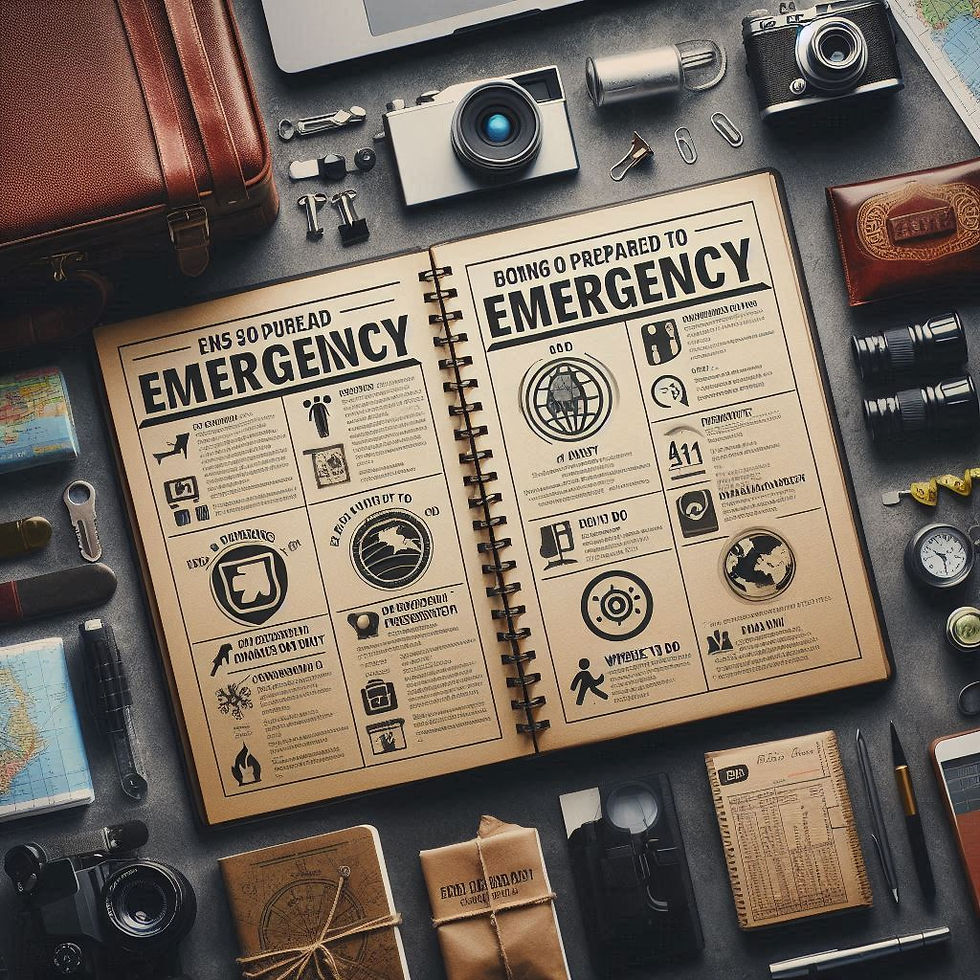
In today’s unpredictable world, being prepared for emergencies is more crucial than ever. The BSSDCA (British Safety and Security Disaster Coordination Agency) emphasizes the importance of having a comprehensive emergency plan that ensures every family member knows what to do, where to go, and how to stay safe. This article will guide you through essential safety measures, preparation kits, and the creation of personal and family go-bags.
Emergency Preparedness: Ensuring Your Family’s Safety
Safety Measures
Create a Family Emergency Plan:
Communication: Establish a communication plan. Ensure everyone knows how to contact each other and where to meet if separated.
Rally Points: Designate safe meeting spots both near your home and outside your neighborhood.
Evacuation Routes: Identify multiple evacuation routes from your home and community.
Emergency Contacts: Keep a list of emergency contacts, including local authorities, medical facilities, and family members.
Advanced Family Emergency Plan
Creating a comprehensive family emergency plan is essential to ensure the safety and well-being of all family members during a crisis. Here’s a detailed guide to help you develop an advanced family emergency plan:
1. Risk Assessment
Identify Potential Hazards: Understand the types of emergencies that could affect your area (e.g., natural disasters, industrial accidents, pandemics).
Evaluate Vulnerabilities: Consider the specific needs of your family members, including medical conditions, disabilities, and age-related requirements.
2. Communication Plan
Emergency Contacts: Compile a list of emergency contacts, including local authorities, medical facilities, and out-of-area contacts.
Communication Methods: Ensure everyone knows how to use different communication methods (phone, text, social media) and establish a primary and secondary method of contact.
Family Meeting Points: Designate two meeting spots:
Near Home: A safe location close to your home for sudden emergencies like fires.
Outside Neighborhood: A location outside your immediate area in case you cannot return home.
3. Evacuation Plan
Routes and Destinations: Identify multiple evacuation routes from your home and community. Plan for different scenarios (e.g., blocked roads).
Transportation: Ensure you have reliable transportation and a backup plan if your primary vehicle is unavailable.
Shelter Locations: Know the locations of local shelters and ensure they can accommodate your family’s needs, including pets.
4. Emergency Kits
Personal Go-Bags: Each family member should have a go-bag with essentials (ID, medications, hygiene items, clothing, food, water).
Family Go-Bag: A larger bag with additional supplies for the entire family (extra food, water, first aid kit, tools).
Special Needs Supplies: Include items for infants, elderly family members, and pets.
5. Home Safety
Utility Shutoff: Know how to turn off gas, water, and electricity in case of an emergency.
Fire Safety: Install smoke detectors and fire extinguishers. Conduct regular fire drills.
Secure Hazards: Secure heavy furniture and appliances to prevent injuries during earthquakes or other disasters.
6. Training and Drills
First Aid and CPR: Ensure family members are trained in basic first aid and CPR.
Emergency Drills: Conduct regular drills for different types of emergencies (fire, earthquake, evacuation).
Skill Development: Teach family members essential survival skills (e.g., using a fire extinguisher, purifying water).
7. Information and Resources
Emergency Alerts: Sign up for local emergency alerts and warnings.
Resource List: Keep a list of resources, including local emergency services, hospitals, and community support organizations.
Documentation: Store important documents (birth certificates, insurance policies, medical records) in a waterproof and fireproof container.
8. Contingency Plans
Backup Plans: Develop alternative plans for different scenarios (e.g., if separated during an evacuation).
Neighbor Assistance: Coordinate with neighbors to assist each other during emergencies.
Special Needs: Ensure plans accommodate family members with special needs or disabilities.
9. Review and Update
Regular Updates: Review and update your emergency plan regularly, especially after major life changes (e.g., moving, new family members).
Practice: Regularly practice your emergency plan with all family members to ensure everyone knows their roles and responsibilities.
By following these steps, you can create a robust family emergency plan that prepares you for a wide range of potential disasters. Stay safe and prepared
Stay Informed:
Alerts and Warnings: Sign up for local emergency alerts and warnings. Use apps like the FEMA app for real-time updates1.
Weather Monitoring: Regularly check weather forecasts and heed any warnings about severe weather conditions.
Home Safety:
Fire Safety: Install smoke detectors and fire extinguishers. Conduct regular fire drills.
Utility Shutoff: Know how to shut off utilities (gas, water, electricity) in case of an emergency.
Preparation Kits
Basic Emergency Kit:
Water: At least one gallon per person per day for at least three days.
Food: Non-perishable food items for at least three days.
First Aid Kit: Include bandages, antiseptics, medications, and any necessary medical supplies.
Tools and Supplies: Flashlight, batteries, multi-tool, whistle, and local maps.
Sanitation: Moist towelettes, garbage bags, and plastic ties for personal sanitation.
Clothing and Bedding: Extra clothing, sturdy shoes, and blankets.
Advanced Emergency Kit Items
Medical Supplies
Combat Application Tourniquet (C-A-T): For controlling severe bleeding.
Emergency Trauma Bandage: Also known as an Israeli bandage, for heavy bleeding.
Chest Seals: Non-vented chest seals for treating open chest wounds.
Nasopharyngeal Airway (NPA): To maintain an open airway.
Compressed Gauze: For wound packing.
Abdominal Pads (ABD Pads): For large wounds.
Elastic Bandages: For securing dressings and providing support.
Triangular Bandages: Versatile for slings and securing splints.
Splint: For immobilizing fractures.
Antiseptic Wipes: For cleaning wounds.
Medical Tape: For securing dressings and bandages.
EMT Trauma Shears: For cutting clothing and bandages.
Latex-Free Gloves: To maintain hygiene and prevent infection.
Emergency Thermal Blanket: To prevent hypothermia.
Tools and Equipment
Multi-Tool: For various repair and survival tasks.
Flashlight: Preferably with extra batteries or a hand-crank option.
Whistle: For signaling for help.
Local Maps: In case GPS is unavailable.
Fire Starter: Matches, lighters, or a fire starter kit.
Portable Water Filter: For purifying water.
Duct Tape: For repairs and securing items.
Paracord: Strong, versatile cord for various uses.
Personal Items
Identification: Copies of IDs, insurance policies, and other important documents.
Cash: Small denominations and coins.
Prescription Medications: At least a week’s supply.
Personal Hygiene Items: Toothbrush, toothpaste, soap, and sanitary products.
Extra Clothing: Weather-appropriate clothing and sturdy shoes.
Glasses/Contact Lenses: If needed, along with cleaning solution.
Sustenance
Water: At least one gallon per person per day for three days.
Non-Perishable Food: Enough for at least three days, including high-energy snacks.
Manual Can Opener: For canned food.
Communication
Battery-Powered or Hand-Crank Radio: For receiving emergency alerts and updates.
Cell Phone with Chargers: Including a portable power bank.
Shelter and Comfort
Tent or Tarp: For emergency shelter.
Sleeping Bags or Blankets: To stay warm.
Hand Warmers: For additional warmth.
By having these items in your advanced emergency kit, you’ll be better prepared to handle a wide range of emergencies and ensure the safety and well-being of your family. Stay safe and prepared!
Personal Go-Bag:
Identification: Copies of personal documents (ID, insurance policies, bank records).
Cash: Small denominations of cash and coins.
Personal Items: Prescription medications, glasses, and personal hygiene items.
Communication: Battery-powered or hand-crank radio, cell phone with chargers.
Family Go-Bag:
Children’s Needs: Baby formula, diapers, bottles, and comfort items.
Pet Supplies: Food, water, medications, and a carrier or leash.
Entertainment: Books, games, and activities to keep children occupied.
Sites and Resources
Local Shelters: Identify local shelters and know their locations. Check if they accommodate pets.
Community Centers: Many community centers offer resources and information during emergencies.
Online Resources:
Ready.gov: Comprehensive guides on preparing for various types of disasters.
British Red Cross: Offers resources and training on emergency preparedness.
Contingency Plans
Backup Plans: Have alternative plans in case your primary plan is not feasible.
Neighbor Assistance: Coordinate with neighbors to assist each other during emergencies.
Special Needs: Ensure plans accommodate family members with special needs or disabilities.
Conclusion
Preparation is key to ensuring your family’s safety during an emergency. By following these guidelines and creating a detailed emergency plan, you can significantly increase your family’s resilience and ability to cope with disasters. Remember, the best time to prepare is now.
Stay safe and stay prepared!
If you need assistance planning either a basic or advanced personal and or family emergency safety plan, please contact Bodhi’s Security and Self-Defence Consulting Agency-BSSDCA for a consultation https://www.bssdca.com/
Be safe out there but more importantly: Be PREPARED
Very respectfully,
Dennis Gerencher
Owner: Bodhi’s Security and Self-Defence Consulting Agency - BSSDCA, https://www.bssdca.com/
Office: +44 7936 402802


Comments